
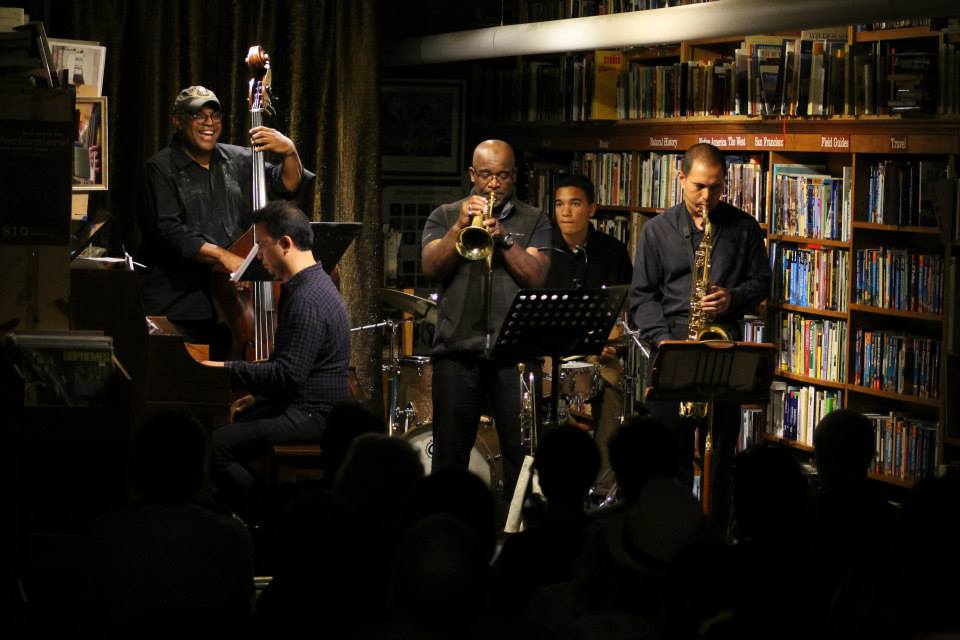
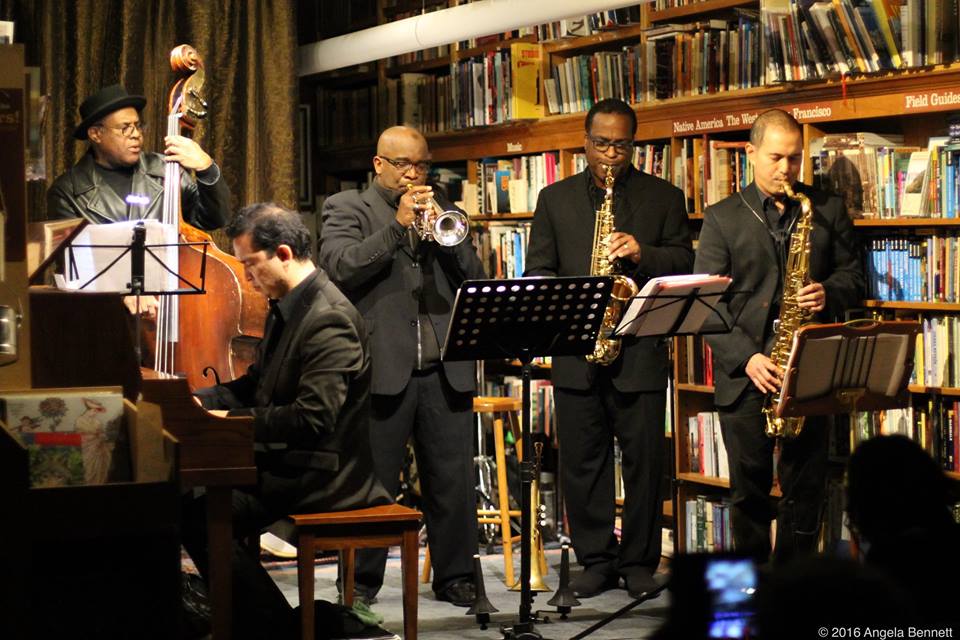
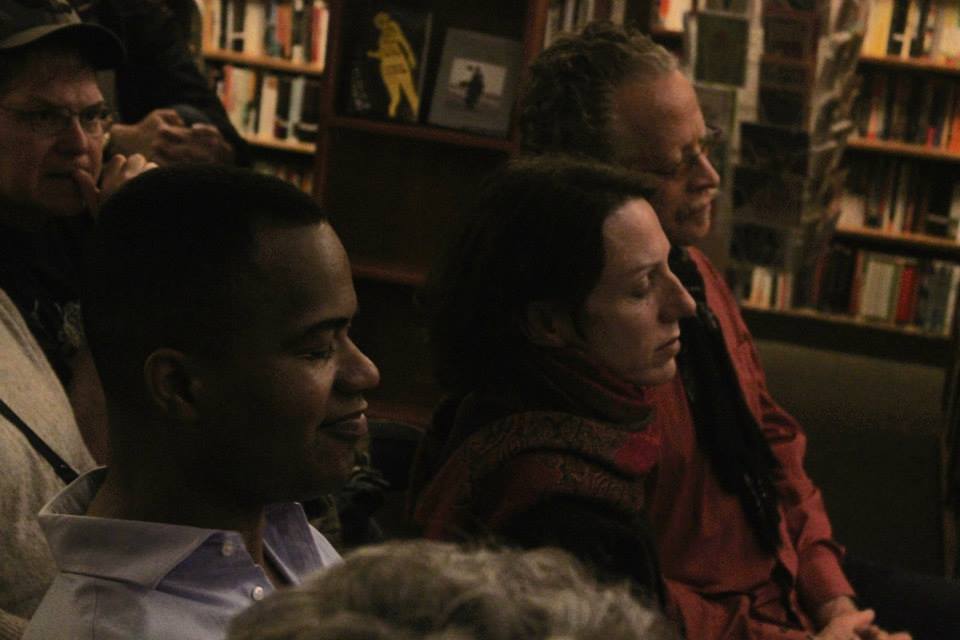
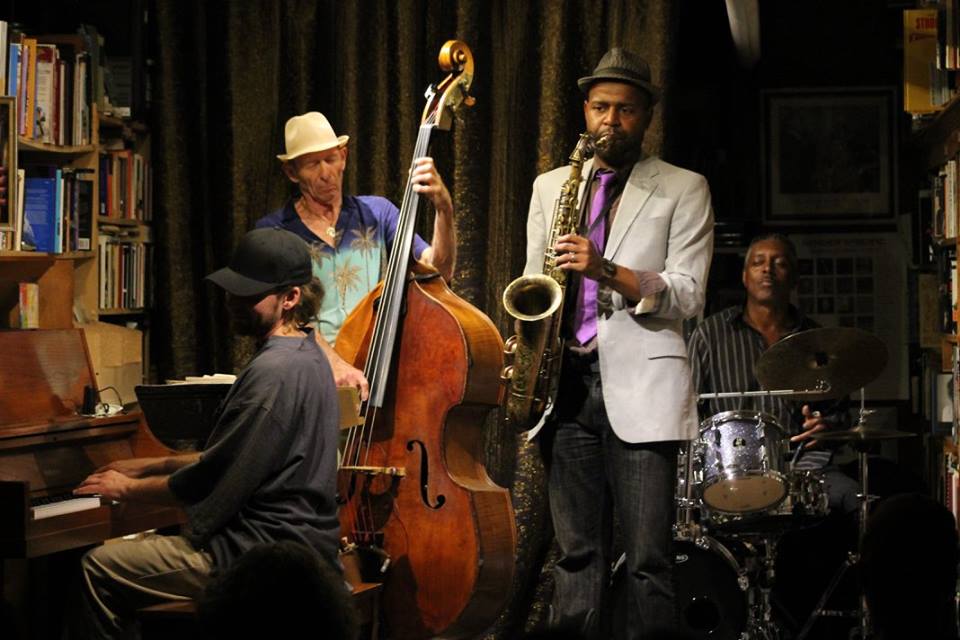
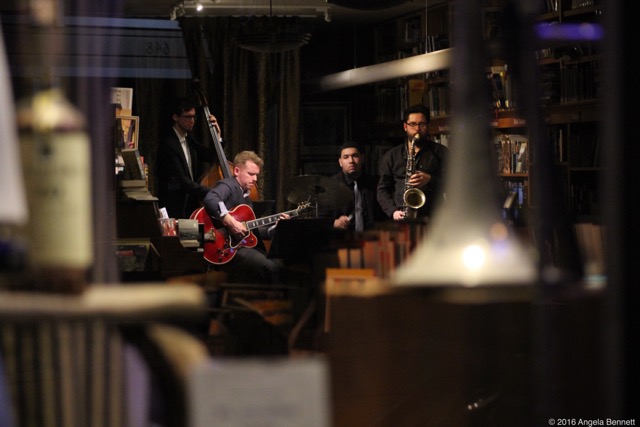
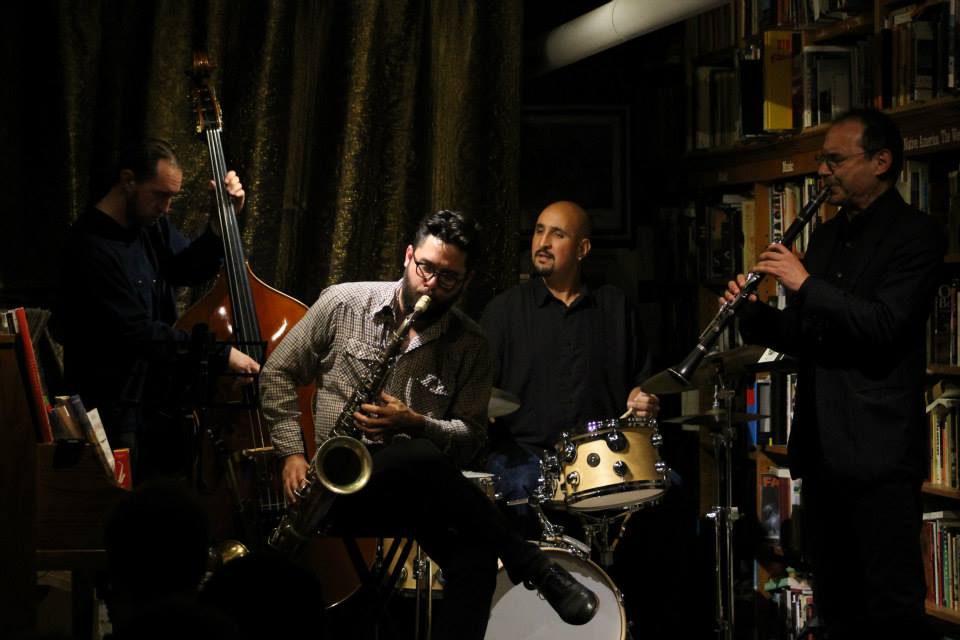
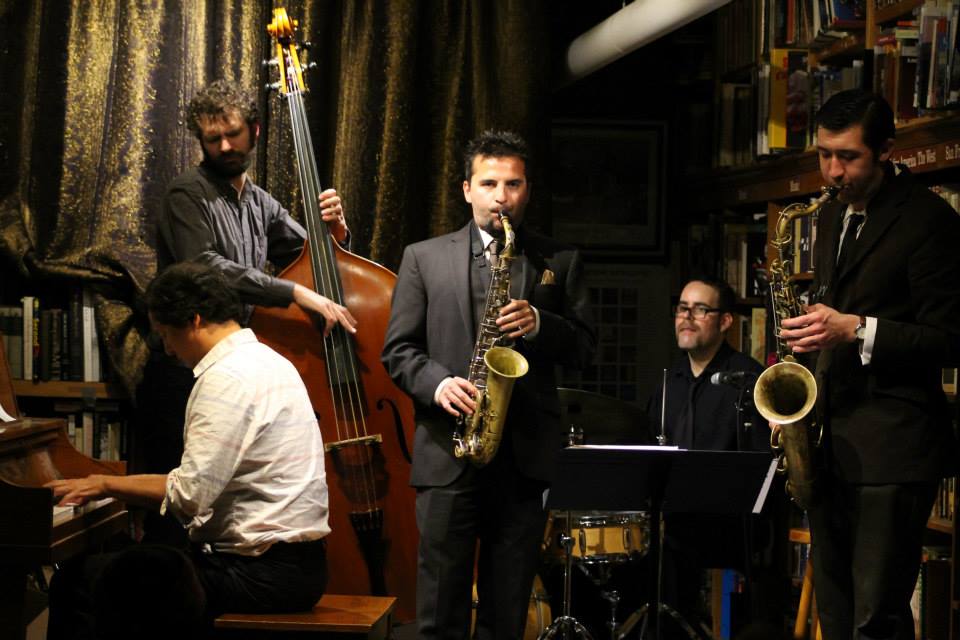
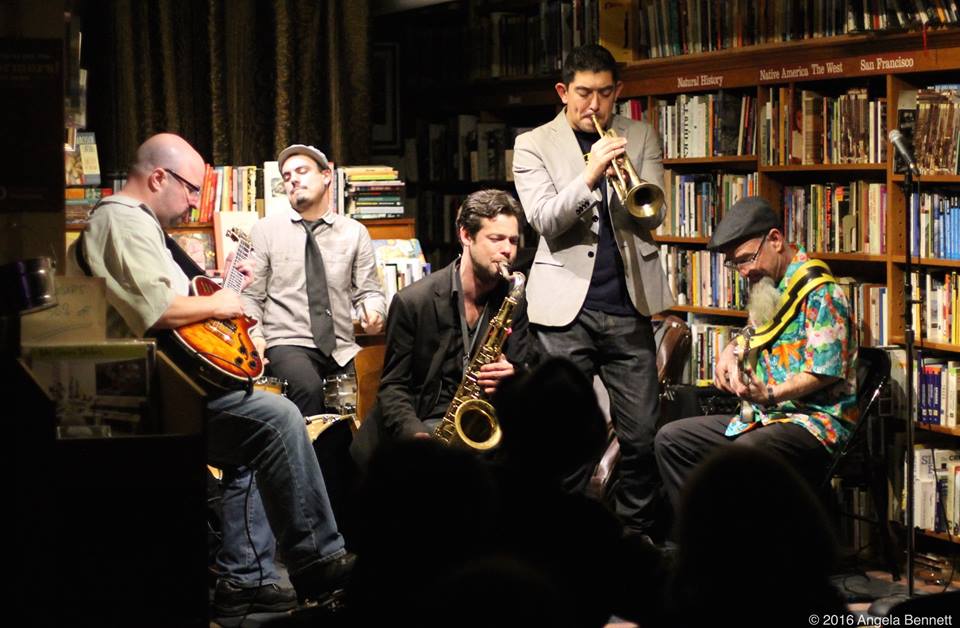
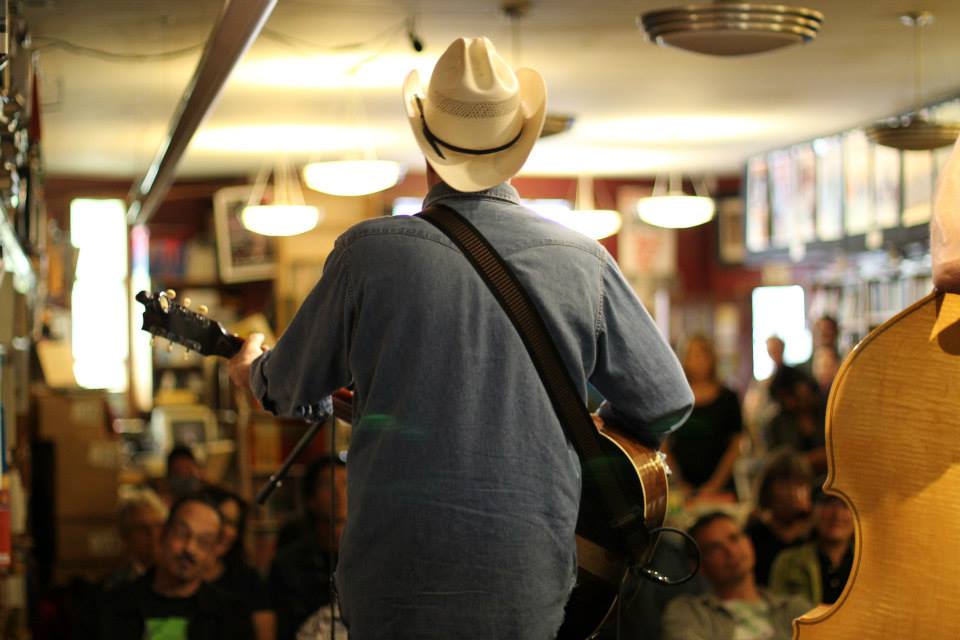
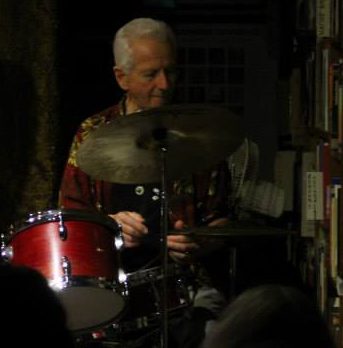
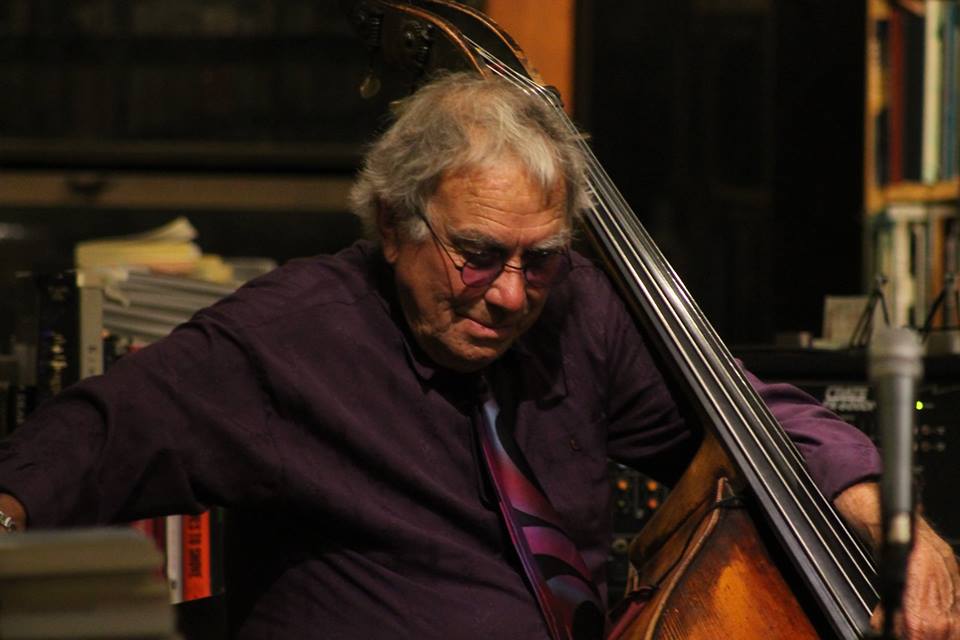
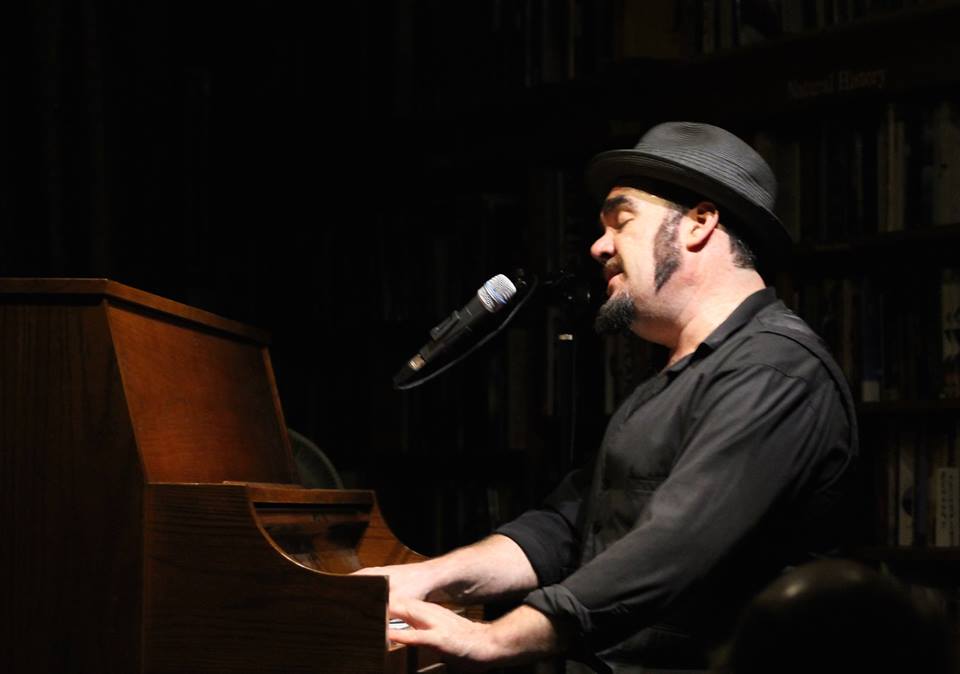
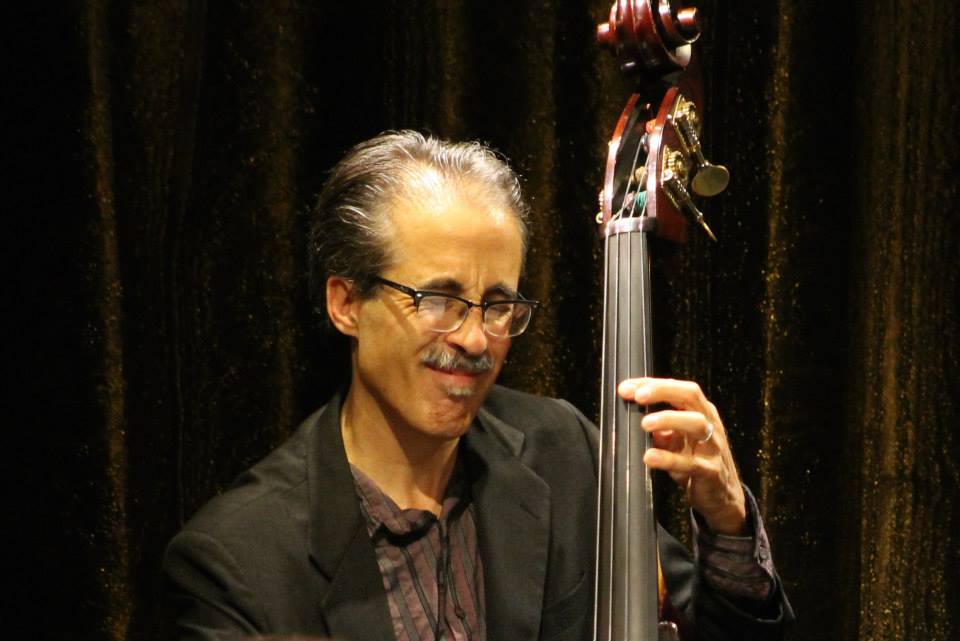
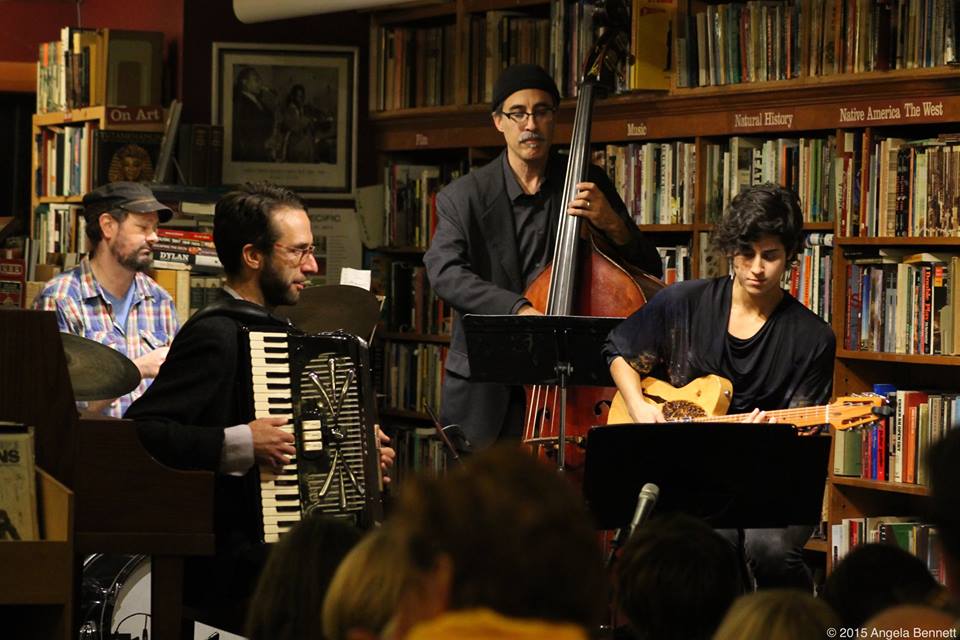
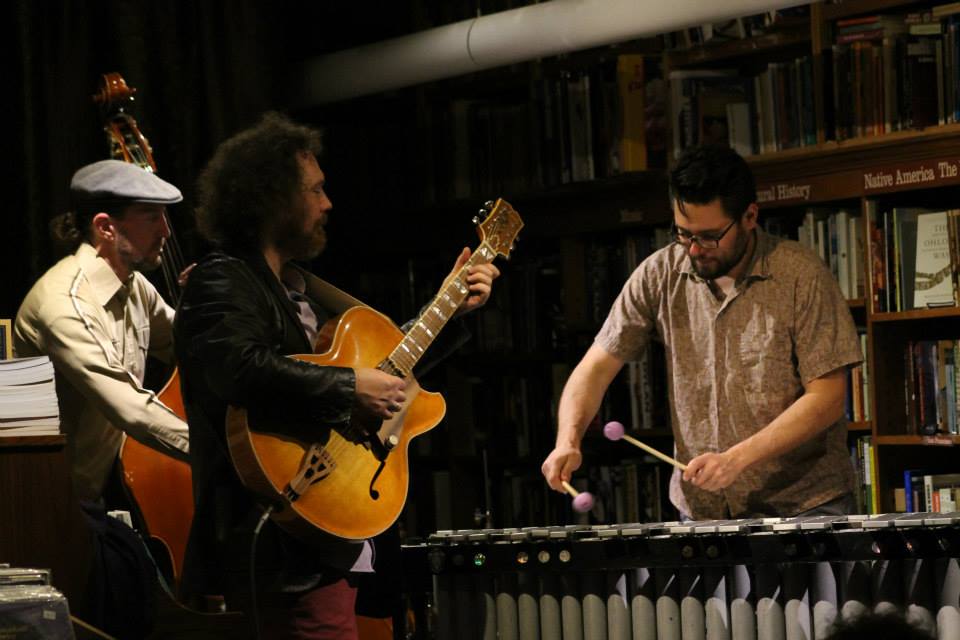
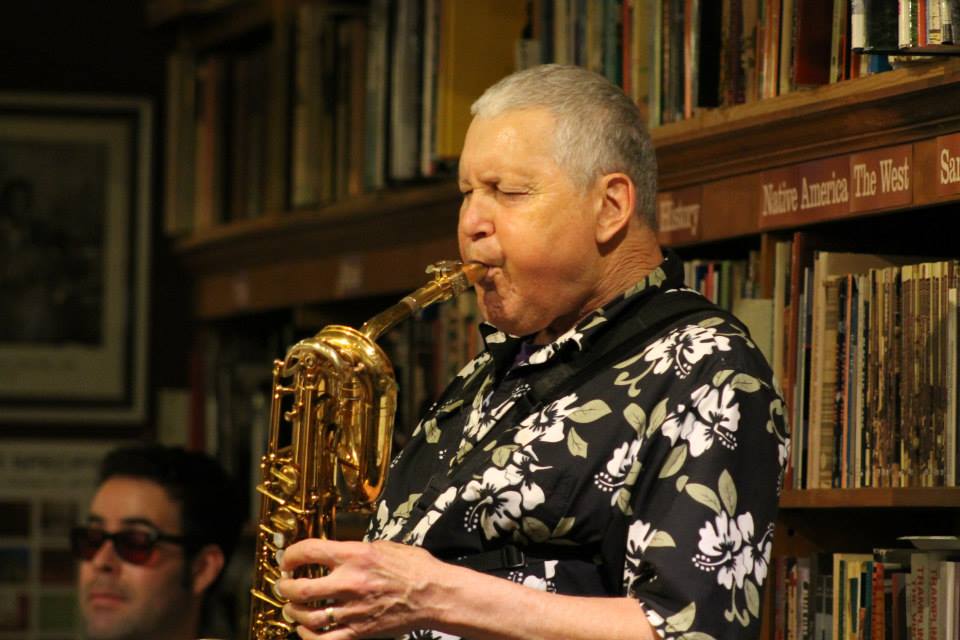
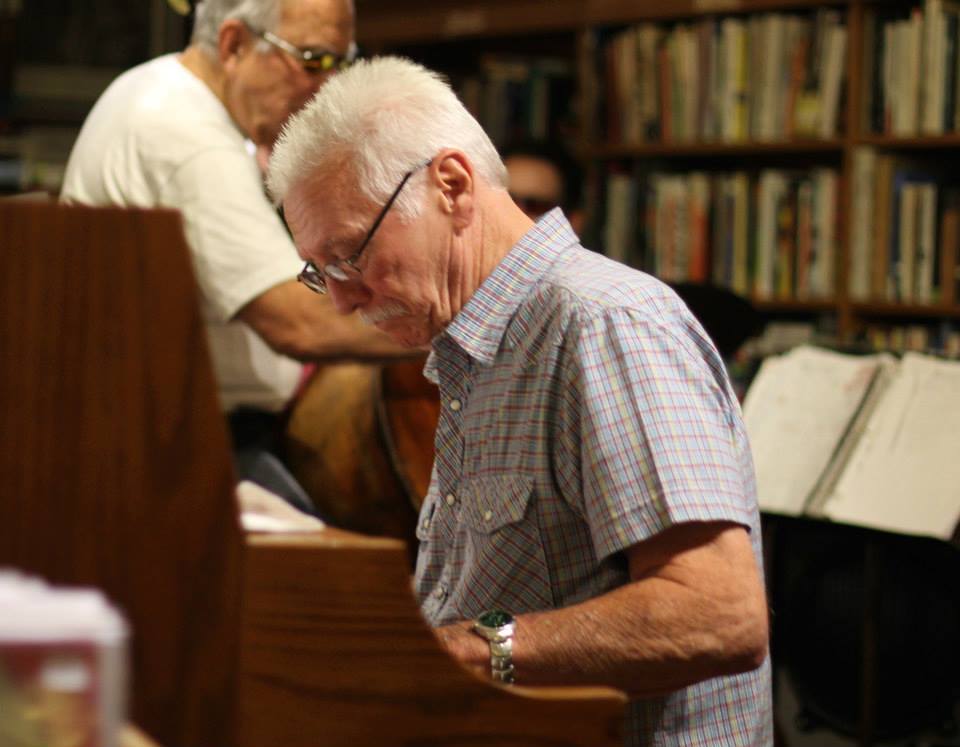
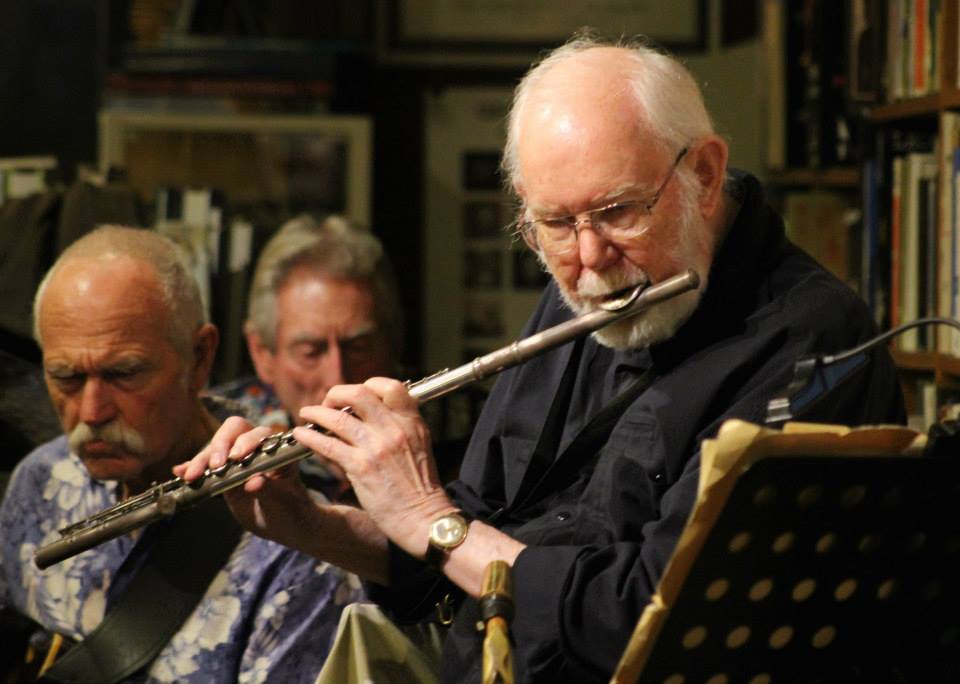
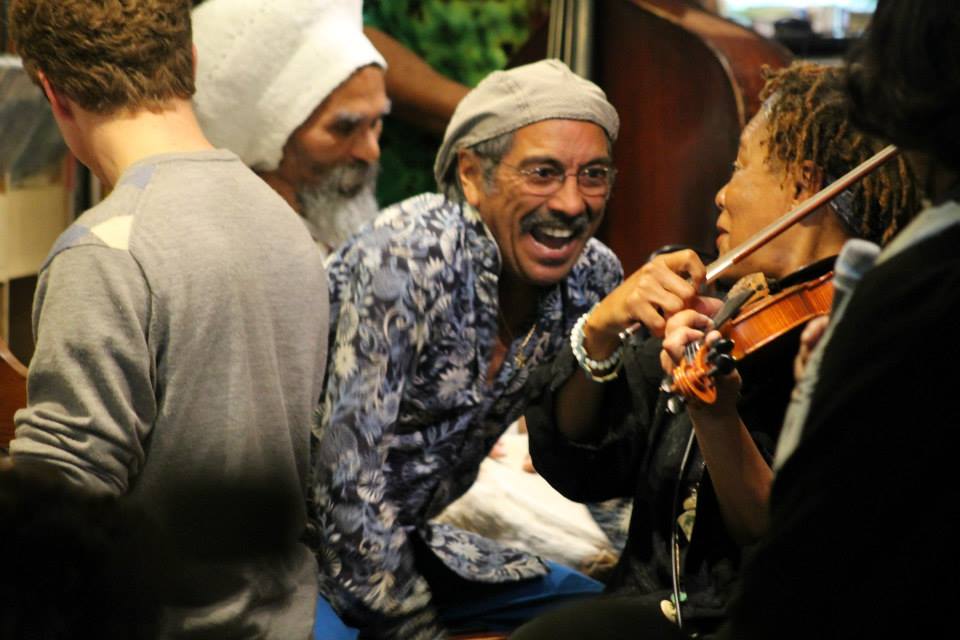
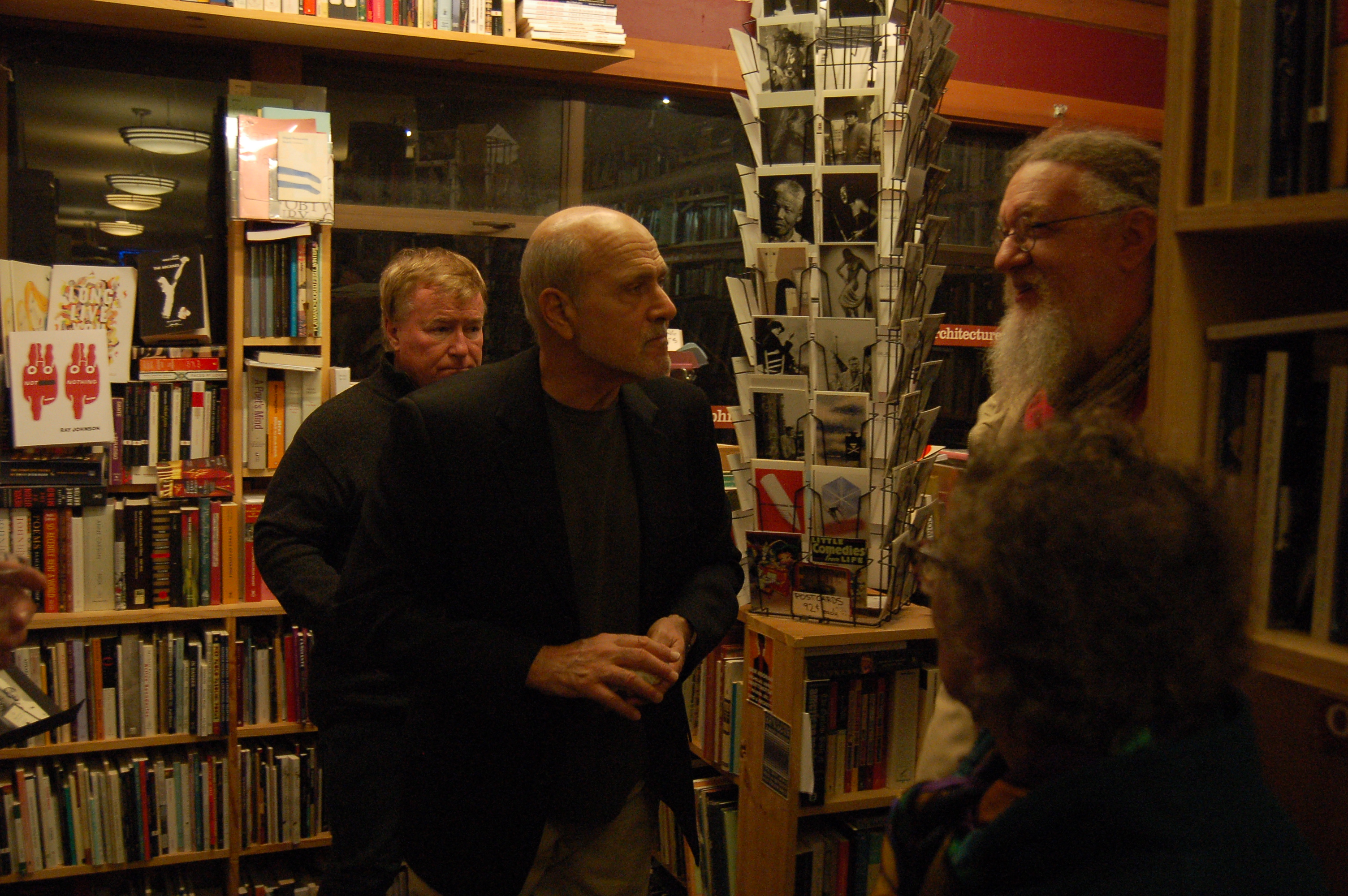
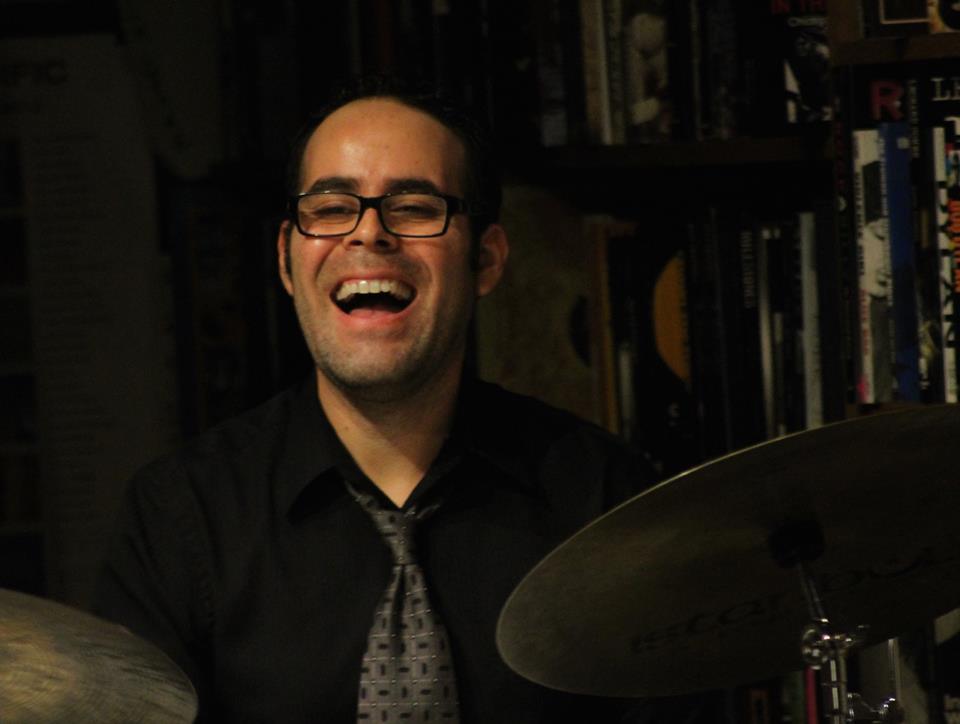
Live Streaming every show!
Refresh your browser to catch a show in progress!
Visit our Facebook page or YouTube channel!
But nothing beats being in the room with the music & the musicians!
Help us pay the band!
653 Chenery Street in San Francisco's Glen Park neighborhood
Open to walk-in trade and browsing Tuesday to Sunday noon to six
phone: 1-415-586-3733 email: [email protected]


Sixteen Rivers Press is a shared-work, nonprofit poetry collective dedicated to providing an alternative publishing avenue for Northern California poets. Founded in 1999 by seven writers, including Terry Ehret, one of the poets presenting tonight, the press is named for the sixteen rivers that flow into San Francisco Bay. Learn more about the collective here.
Tonight’s reading will include Terry Ehret and Nancy J. Morales reading their translations of poems by Ulalume Gonzalez de Leon, and, reading their own poems, Patrick Cahill, Bonnie Wai-Lee Kwong and Moira Magneson.

Patrick Cahill’s If we are the forest the animals dream is just out from Sixteen Rivers Press, following The Machinery of Sleep, also from Sixteen Rivers Press, published in 2020. His poems have twice won the Central Coast Writers Award. A cofounder and editor of Ambush Review, a San Francisco–based literary and arts journal, he was also a contributing editor for the anthology Digging Our Poetic Roots: Poems from Sonoma County (WordTemple Press). He received his PhD in the History of Consciousness from the University of California, Santa Cruz, and wrote a study of Whitman and visual experience in nineteenth-century America. Portions of this work have appeared in The Daguerreian Annual and Left Curve. Cahill lives in San Francisco, where he volunteers with San Francisco Recreation and Parks in habitat restoration.
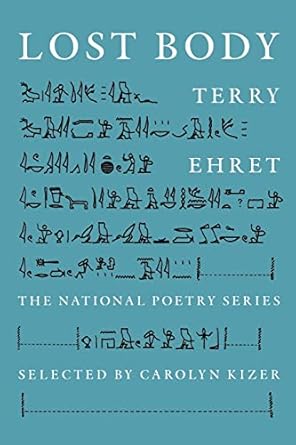

Terry Ehret is a poet, teacher, translator, and one of the founders of Sixteen Rivers Press. She earned a BA from Stanford University and an MA from San Francisco State University. She has published four collections of poetry, the first of which is shown here, include: Lost Body (1993), Translations from the Human Language (2001), Lucky Break (2008), and Night Sky Journey (2011). Literary awards include the National Poetry Series, California Book Award, Pablo Neruda Poetry Prize, Northern California Book Award for California Poetry in Translation, seven Pushcart Prize nominations, and an NEA Translation Fellowship. She has led summer travel programs for writers in Ireland, Wales, and Tuscany. From 2004-2006, she served as the poet laureate of Sonoma County where she lives and teaches.
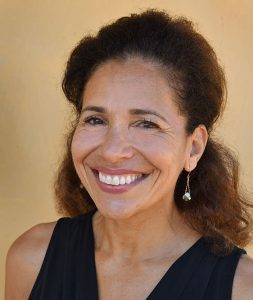
As translator, Terry is currently working with co-translator Nancy J. Morales on the third in a three-volume bilingual edition of the collected published poems of Mexican poet Ulalume González de Leόn. Morales, a first-generation American of Puerto Rican parents, earned her bachelor’s degree from Rutgers College, a master’s in teaching English as a Second Language from Adelphi University, and a doctorate in education from Teachers College at Columbia University. She lives in Napa County with her husband and son.
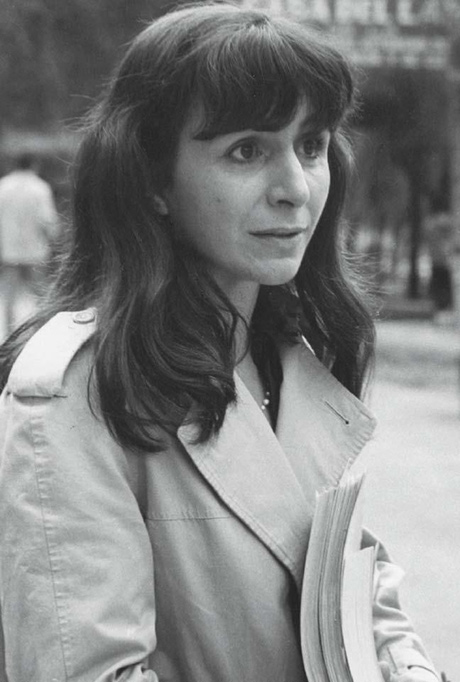 Ulalume González de Leόn was born in 1928 in Montevideo, Uruguay, the daughter of two poets, Roberto Ibañez and Sara de Ibañez. She studied literature and philosophy at the Sorbonne in Paris and at the University of Mexico. While living in Mexico in 1948, Ulalume became a naturalized Mexican citizen. She married painter and architect Teodoro González de León, and together they had three children. She published essays, stories, and poems, and worked with Mexican poet and Nobel Laureate Octavio Paz as an editor of two literary journals, Plural and Vuelta. She also translated the work of H.D., Elizabeth Bishop, Ted Hughes, Lewis Carroll, and e.e. cummings. In the 1970’s in Latin America, González de León was part of a generation of women writers challenging the traditional identities of women, marriage, and relationships. Her poetry earned her many awards, including the Xavier Villaurrutia Prize, the Flower of Laura Poetry Prize, and the Alfonso X Prize. Ulalume González de León died in 2009 of respiratory failure and complications of Alzheimer’s.
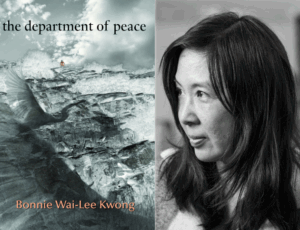
Bonnie Wai-Lee Kwong works in many mediums: poetry, music, theater, performance, video and software. Born in Wisconsin and raised in Hong Kong, she lived in the San Francisco Bay Area for two decades before returning to Hong Kong to care for her mother. She can still be spotted in California from time to time, visiting her two children. the department of peace is Kwong’s third book of poetry, following The Quenching (Finishing Line Press) and ravel (Neopoesis Press). In the department of peace, the poet invites us to a gathering of voices where each utterance matters. From sailors’ prayers to a mother’s songs to a lover’s last words, all lines render the contours of this poet’s extraordinary sensibility. Kwong’s poetry ventures into different languages and registers, time periods and places. In the words of playwright Philip Kan Gotanda, this book reflects “the inevitable practice of living” and “original inspiration.” Renku.earth, an Elixir application Kwong built for writing poetry collaboratively, was a runner-up for the 2024 Elixir Consultancy Prize from the consultancy firm Erlang Solutions.

Over the years, Moira Magneson has worked as a river guide, artist’s model, truck driver, television writer, editor, and community college writing instructor. A Northern California native, she lives in the Sierra foothills where she has spearheaded many art actions and initiatives, including El Dorado County’s Poetry Out Loud Competition, Veterans’ Voices, Barbaric Yawp, and Black Lives: An American Overture. In 2024, she was the resident poet for ForestSong, a community arts project exploring solastalgia, biophilia, and resilience in the face of wildfire devastation. In 2024, Magneson published illustrated novella, A River Called Home: A River Fable (Toad Road Press). In the Eye of the Elephant (2025), her first full-length collection of poems, is a constellation of lyric, narrative, and experimental poems whose subjects are the wild and the creatures that inhabit that space. Rooted primarily in a Western landscape and infused with Buddhist notions of interconnection and impermanence, the book is divided into three parts, with the first exploring our paradoxical relationship to animals: our sometimes unbearable yearning to merge with their mystery alongside our inclination, conscious or not, to destroy them. The book then shifts its gaze to poems that spotlight human precarity, our frailties and shortcomings. In the final section, the aperture widens, revealing a more inclusive depth of field, while moving toward a growing acceptance of the dark and bright and coming to terms with the beautiful ruin of our imperfect world.
TAKE OUR SURVEY
To take our SURVEY, click here, and help the BBCLP get to know you better! As Duke Ellington always said, we love you madly...
The Bird & Beckett Cultural Legacy Project

Our events are put on under the umbrella of the nonprofit Bird & Beckett Cultural Legacy Project (the "BBCLP"). That's how we fund our ambitious schedule of 300 or so concerts and literary events every year.
The BBCLP is a 501(c)(3) non-profit...
[Read More ]
The Independent Musicians Alliance
Gigging musicians! You have nothing to lose but your lack of a collective voice to achieve fair wages for your work!
The IMA can be a conduit for you, if you join in to make it work.
https://www.independentmusiciansalliance.org/

Read more here - Andy Gilbert's Feb 25 article about the IMA from KQED's site