BIRD & BECKETT CULTURAL LEGACY PROJECT
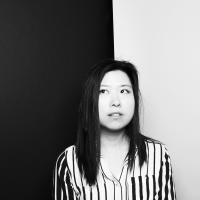
Jeong Lim Yang, bassist and leader |
Santiago Leibson, pianist |
Jon Arkin, drummer |
$20 cover charge; byob |
reservations, call 415-202-4870 |
_____________________
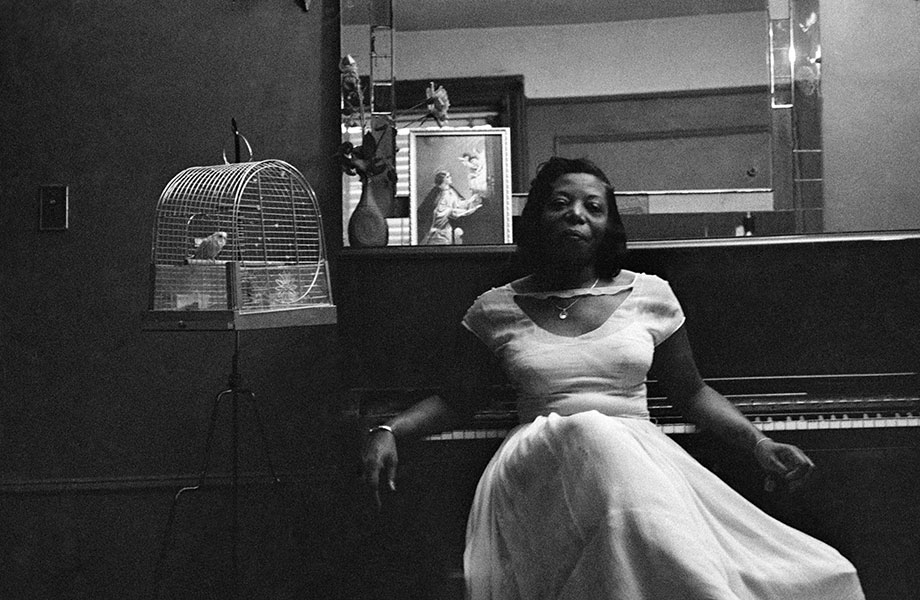
Pianist Mary Lou Williams’ rise to acclaim began in earnest in 1929 at the age of 19 with Andy Kirk and His Clouds of Joy, a territory band out of Kansas City. She remained a key figure in jazz until her death in 1981. Her career encapsulates the history of the music.
With the Clouds of Joy, she became known as “The Lady Who Swings the Band,” and it was said that on occasion she’d play tunes on piano with one hand while notating band arrangements with the other, an ability she developed remembering Lovie Austin at work in vaudeville shows that she attended as a young girl in Pittsburgh.
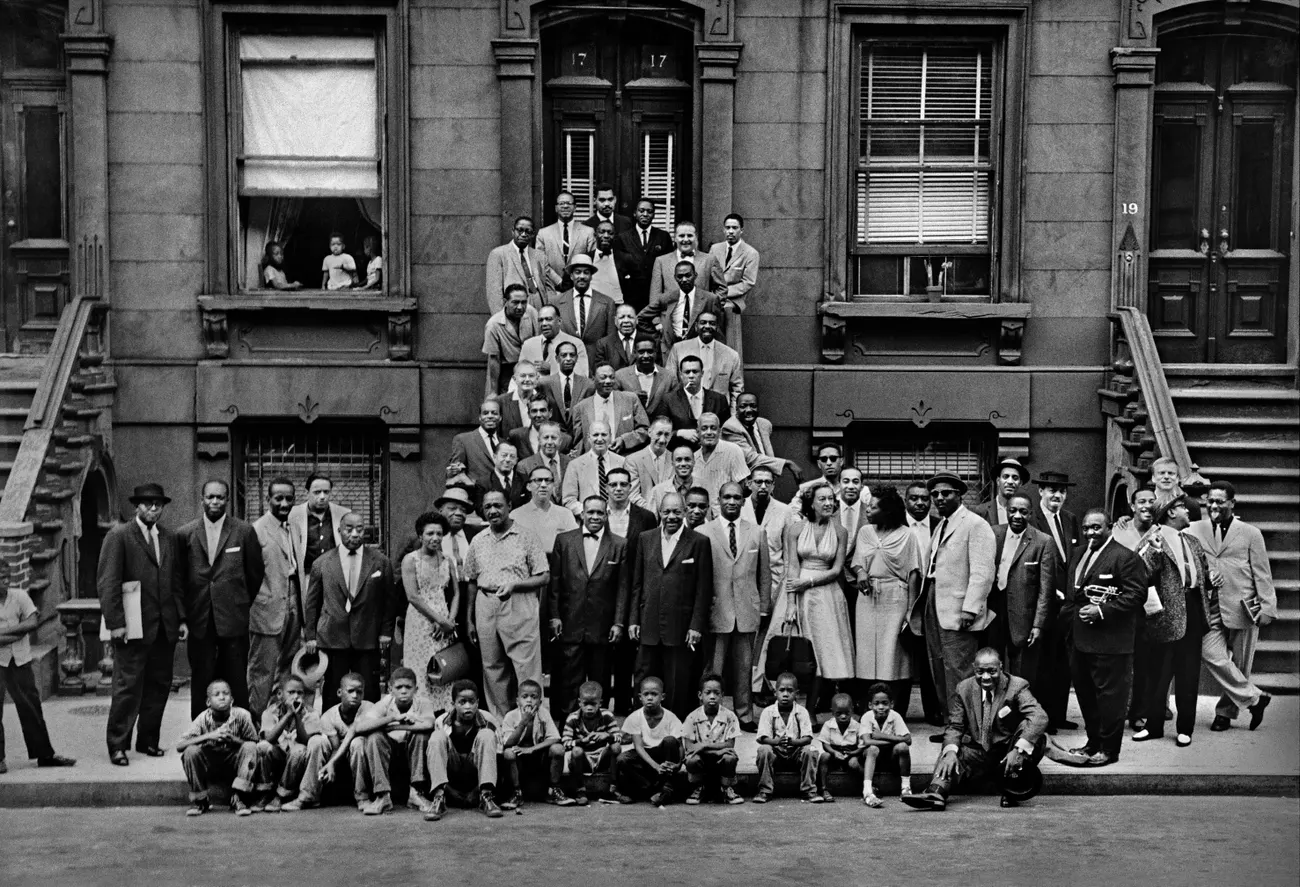
Using both hands, Mary Lou Williams was legendary and well loved from the start, and she moved fluidly throughout her career adding to the stride, boogie woogie and swing of the 20s and 30s the forms that developed as she produced the movements of her Zodiac Suite in the mid-1940s. Those pieces accumulated episodically and were fully developed in 1946 as she drew on the work of Schoenberg, Hindemuth, Berg and others. Her growth continued, the stride, boogie woogie and swing always there, through bop and increasingly spiritual and religious works of the 1950s, a period in which she became central to the lives of Monk, Bud, Diz, Bird and many others in Harlem. The “Great Day in Harlem” photo of 1958 shows her among her peers. Her music crystalized in the throbbing modernity found in her recording of the tunes on the lp, Zoning, that she recorded out in Los Angeles in 1974. She joined the faculty of Duke Univerity in 1976, and taught, played and recorded prolifically, profoundly and beautifully until her death of cancer in Durham, North Carolina in 1981 at the age of 71.
Mary Lou Williams began playing in house parties and was on the notorious T.O.B.A. vaudeville circuit at age 12. She played with Duke Ellington’s Washingtonians as well as with McKinney’s Cotton Pickers the next year. As she played with the Cotton Pickers one night into the early morning hours at Harlem’s Rhythm Club, Louis Armstrong entered the room and paused to listen to her. And then, she said, “Louis picked me up and kissed me.”
By age 16, she was playing the Orpheum circuit in New York, Minneapolis, Omaha and Kansas City. It was in 1928 that she caught up with Terrence Holder’s Dark Clouds of Joy, in which her husband played saxophone, traveling with the band from Oklahoma City to Tulsa and then back to its base in Kansas City, where Andy Kirk bumped Terrence Holder out and took over the band, calling it just the Clouds of Joy; and there she was on the band’s first recording date in that same year. She stayed with the Clouds of Joy until 1942. She returned to Pittsburgh, withdrawing from jazz, but soon found her home in Harlem as the music began to change dramatically into modern forms, the best of which carried kernels of stride and swing within them, and Mary Lou Williams’ musical maturity began to take on new dimensions.
Bassist Jeong Lim Yang, South Korea-born and Brooklyn-based, well known and admired by many of San Francisco’s most advanced abstract jazz composer/improvisers, will present the music of her trio recording, The Zodiac Suite: Reassured, on October 14th at the Center for New Music downtown.
We encourage you to come out to Bird & Beckett the night before, on Friday the 13th at 8:30pm, to hear her with her trio partner, the Argentine-born & Brooklyn-based pianist Santiago Leibson along with drummer Jon Arkin as they explore parts of the Zodiac Suite and some of Mary Lou Williams’ other compositions.